

Tapping Stainless Steel Without Reaming: FlexArm RE-16D Application Test
Quick answer: Yes. In this application test, the FlexArm RE-16D electric tapping arm tapped 5/16-inch laser-cut holes in 1/2-inch stainless steel plate directly to 3/8″-16 UNC, with no reaming step. The tap was an OSG HY-PRO SIGMA. The project calls for about 4,400 tapped holes.
When a production job calls for thousands of tapped holes, eliminating an extra machining step can make a meaningful difference in the process. In this FlexArm tap test, we put the RE-16D electric tapping arm to work on an application involving 1/2-inch stainless steel plates and laser-cut holes.
The goal was straightforward: tap the existing holes directly without reaming them first.
Application at a Glance
Tapping arm | |
Tap | OSG HY-PRO SIGMA |
Material | 1/2-inch stainless steel plate |
Starting hole | 5/16-inch diameter, laser-cut |
Finished thread | 3/8″-16 UNC |
Production volume | Approximately 4,400 tapped holes |
Result | Tapped directly, no reaming required |
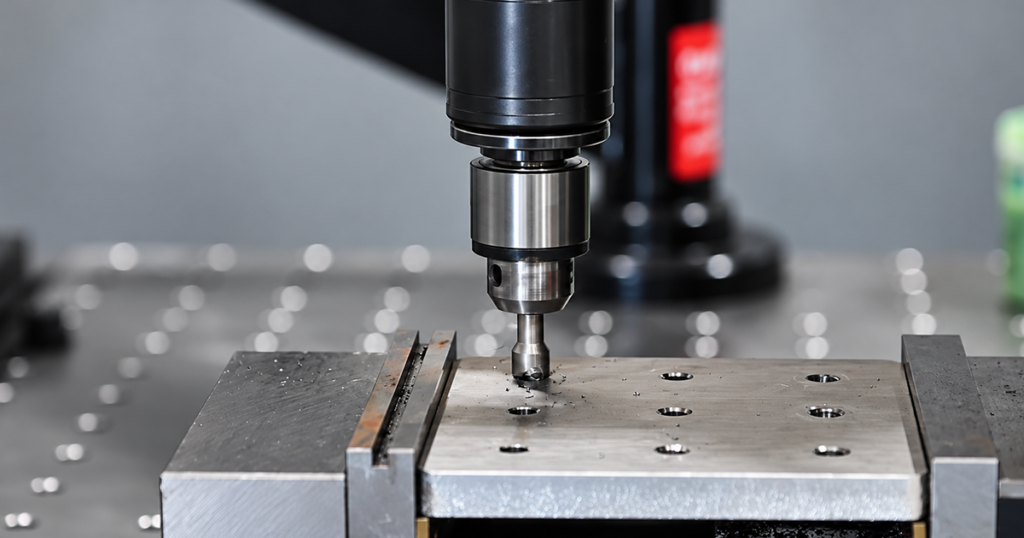
The Application: 3/8"-16 UNC Threads in Stainless Steel
For this application, the End User provided a sample plate made from 1/2-inch stainless steel with 5/16-inch-diameter laser-cut holes.
The finished parts require 3/8″-16 UNC tapped holes, and the anticipated production order calls for approximately 4,400 tapped holes.
Rather than reaming each hole before tapping, the End User wanted to see if the existing laser-cut holes could be tapped directly.
That made this a practical application to test. If the holes could be tapped successfully without reaming, the process would no longer require that additional operation.
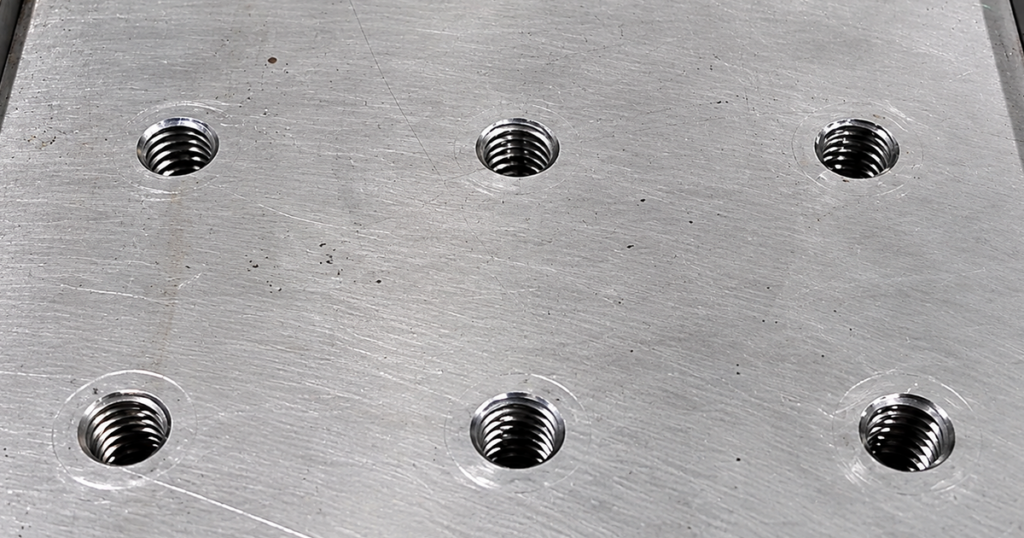
Putting the FlexArm RE-16D to the Test
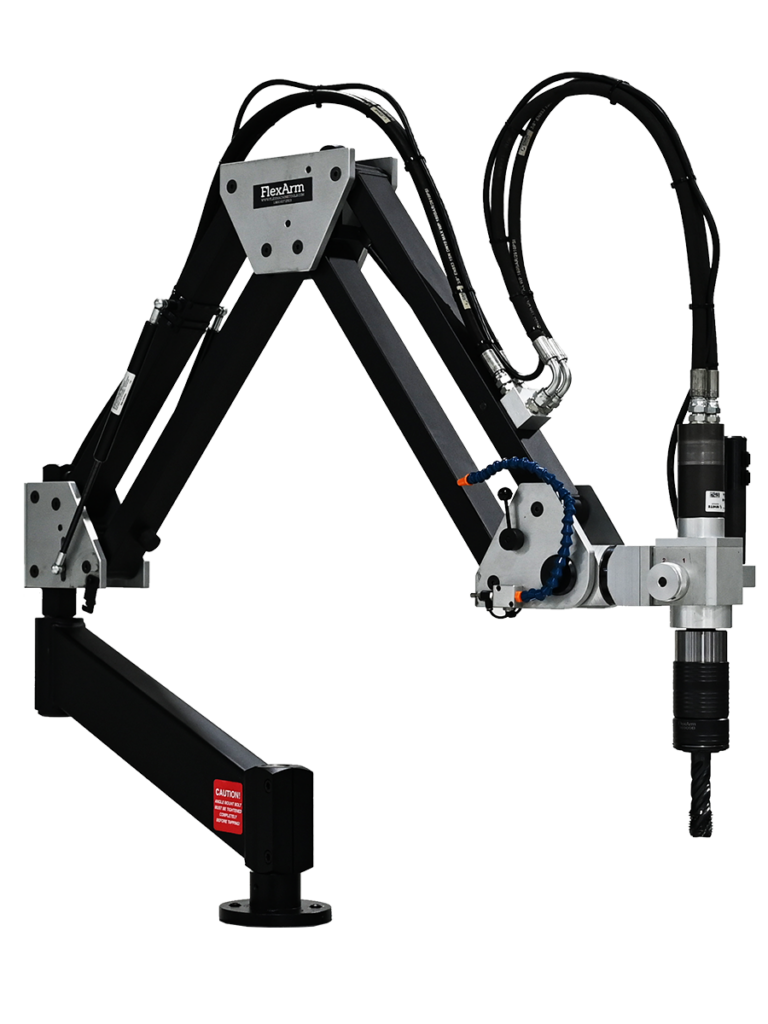
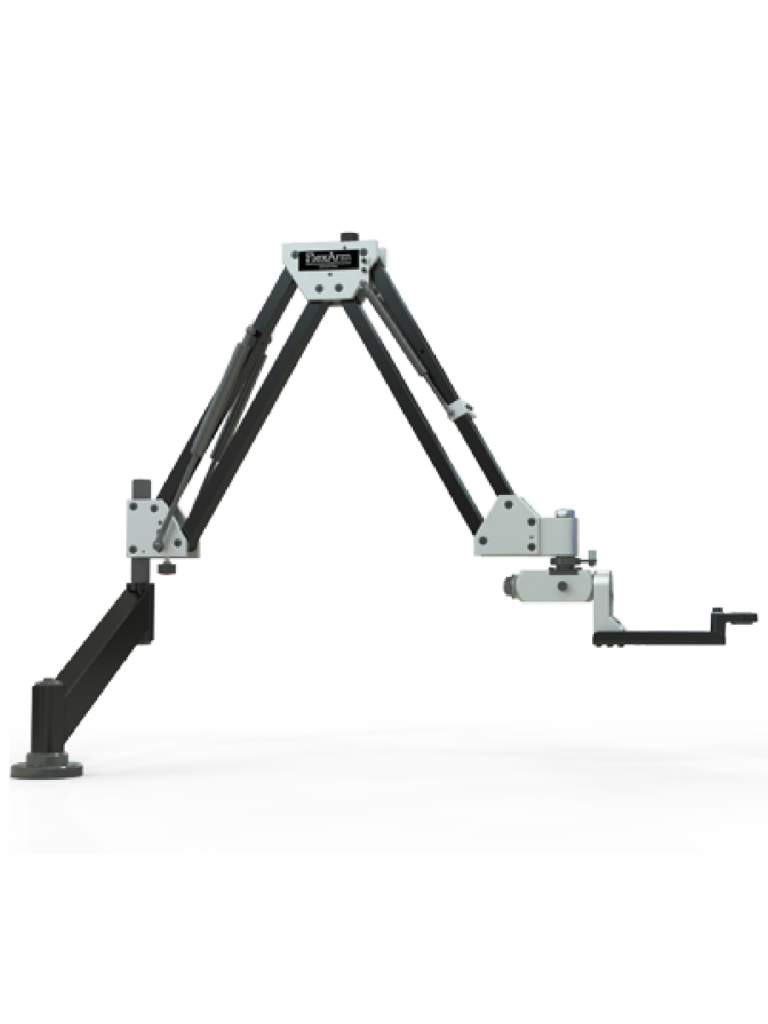
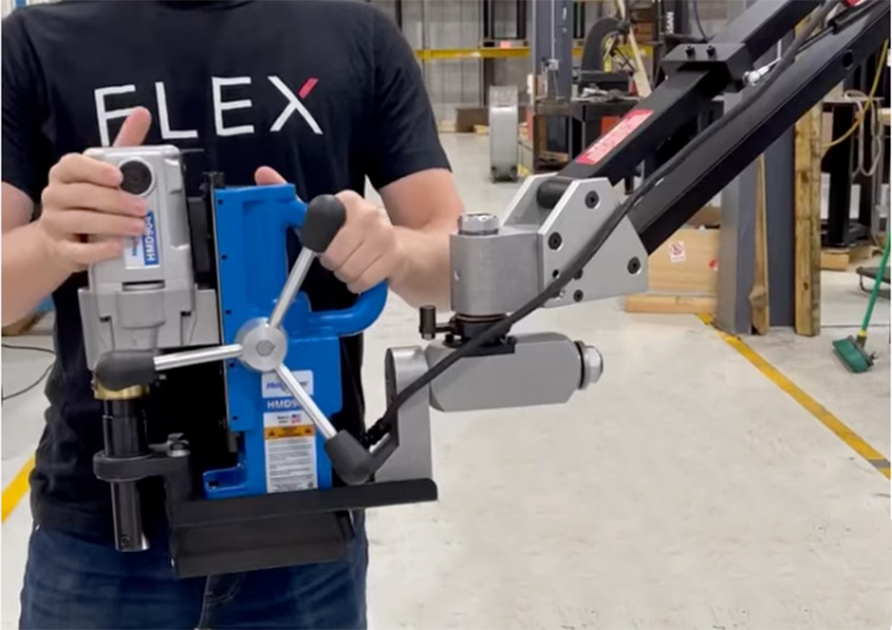
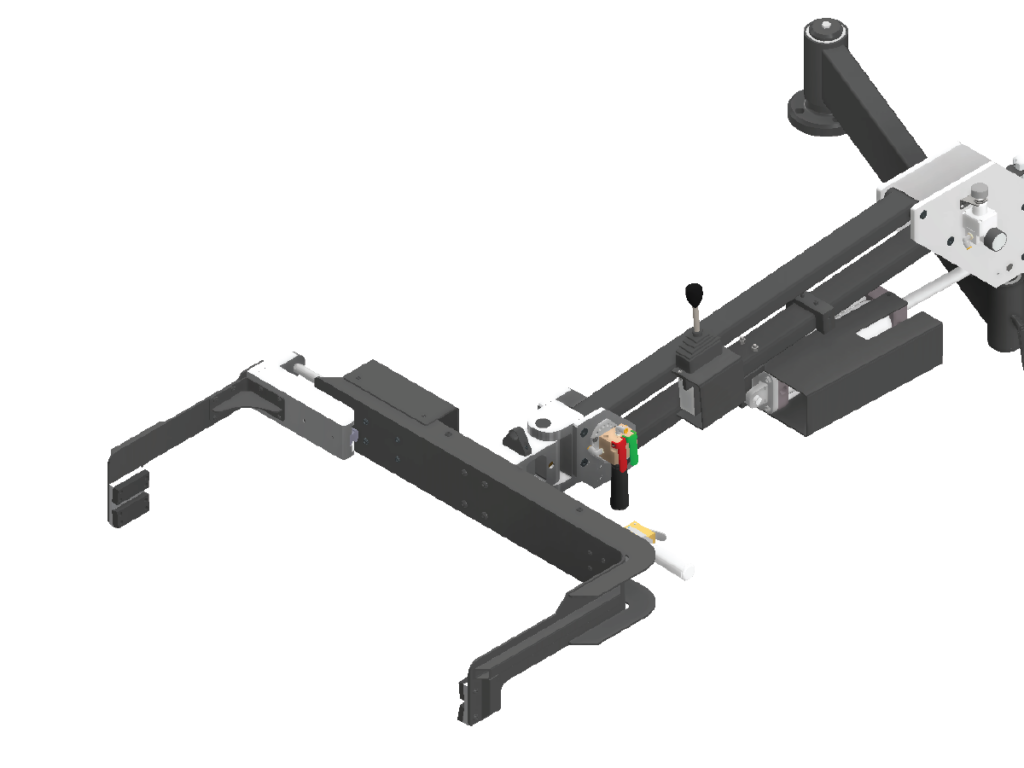
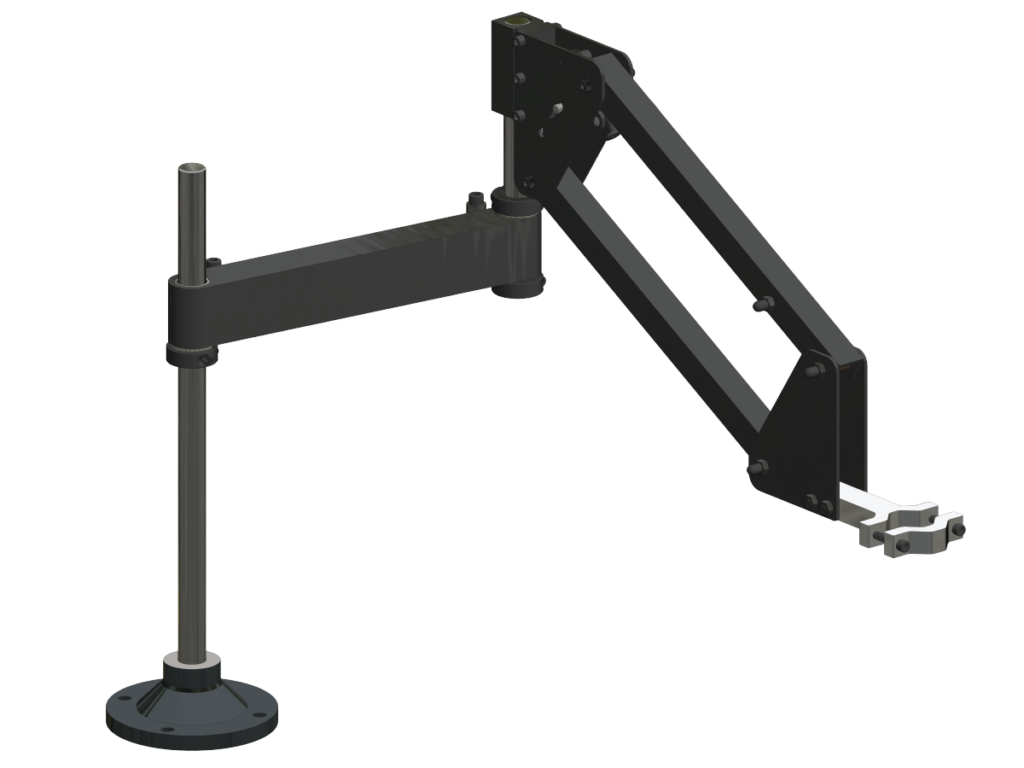
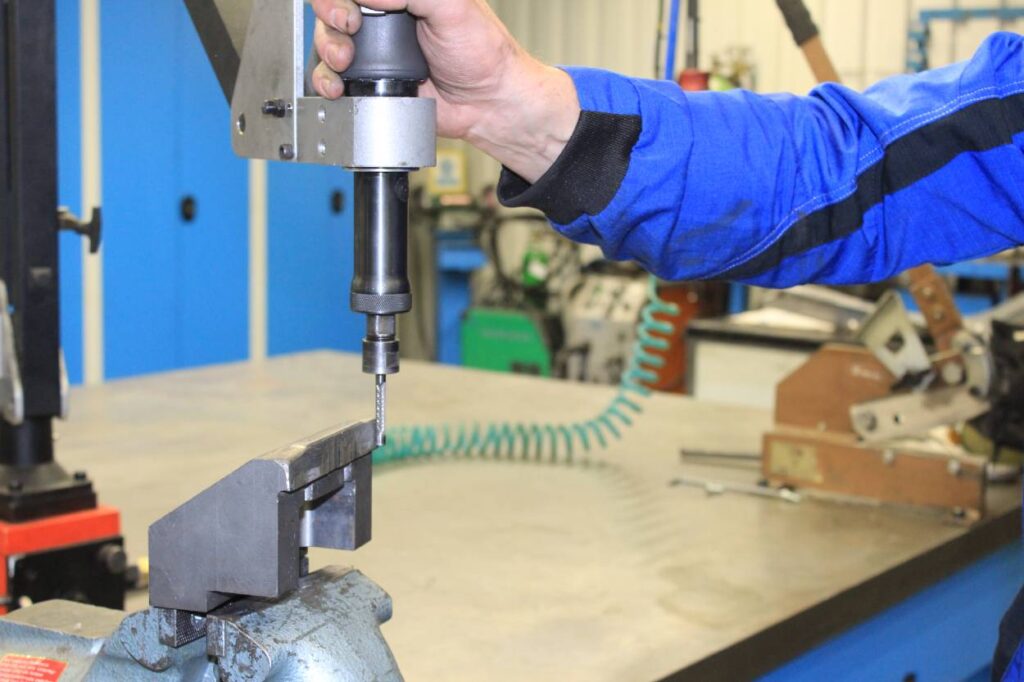
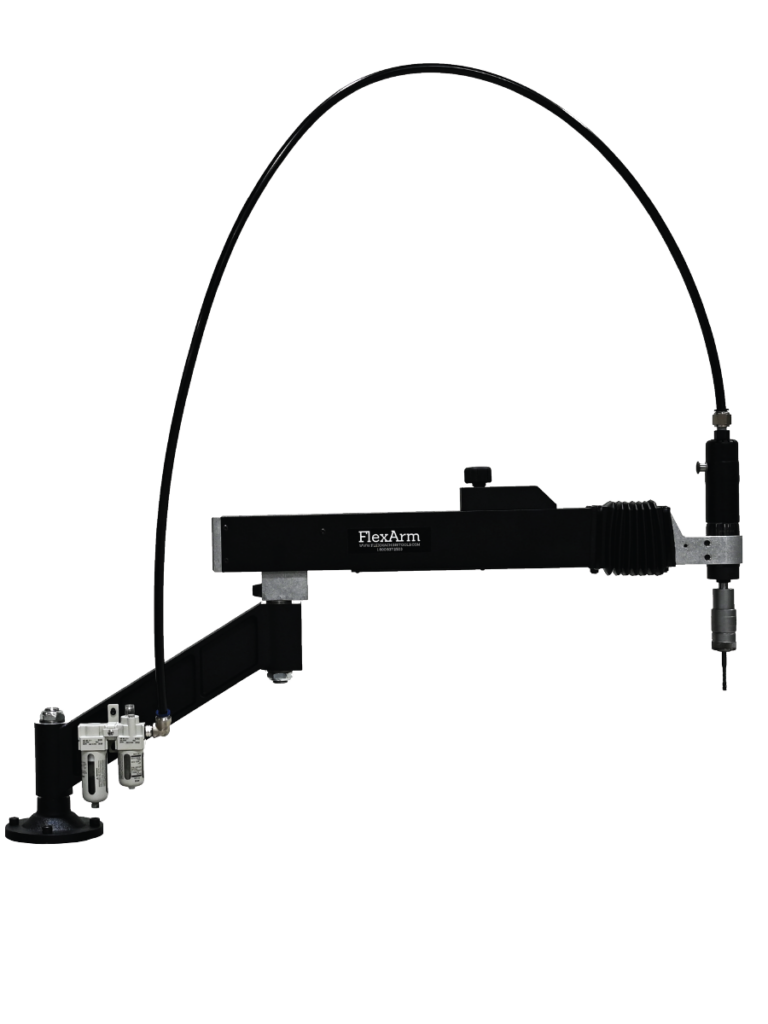
To evaluate the application, we used the FlexArm RE-16D electric tapping arm to tap the 1/2-inch stainless steel plate.
The test focused on tapping directly into the 5/16-inch laser-cut holes to produce the required 3/8″-16 threads without a separate reaming step.
The RE-16D tapped directly into the laser-cut holes and produced the required 3/8″-16 UNC threads. No reaming was needed.
Why Skipping the Reaming Step Matters
For applications involving thousands of holes, the sequence of operations matters. Removing an unnecessary step can simplify the workflow and reduce the amount of processing required for each part.
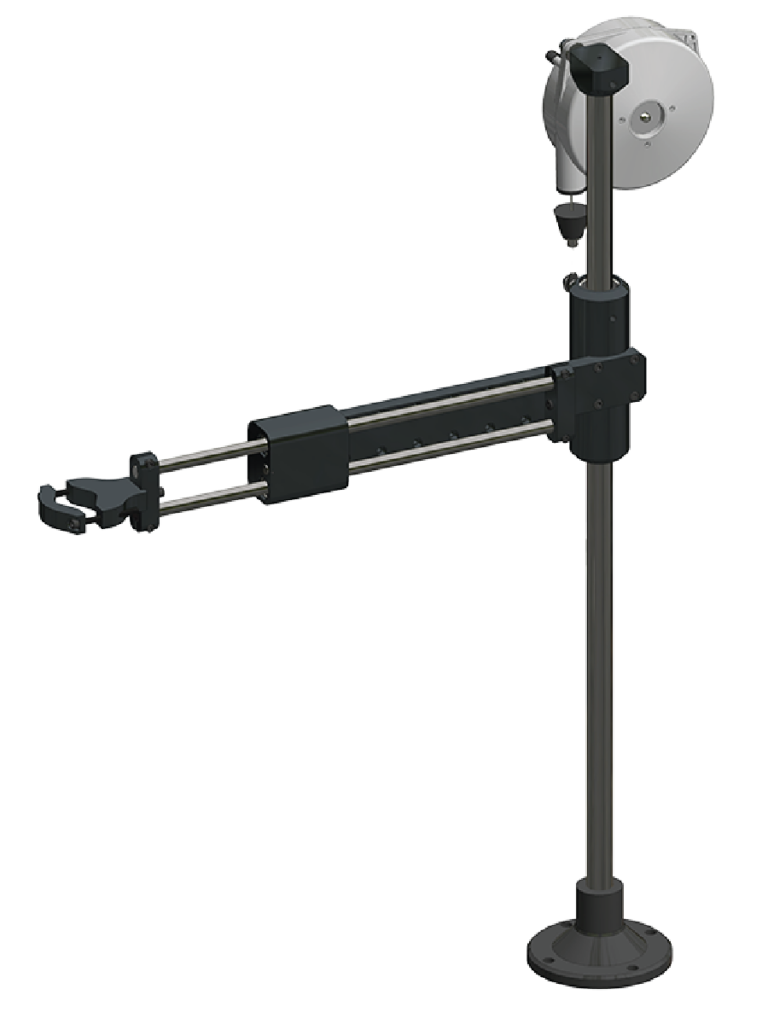
On a 4,400-hole project, that means less handling, less machine time, and one less operation to set up and manage. It also matters for the operator. A repetitive tapping job is physically demanding, and a tapping arm carries the load so the operator guides the tool instead of fighting it.
OSG HY-PRO SIGMA Tap
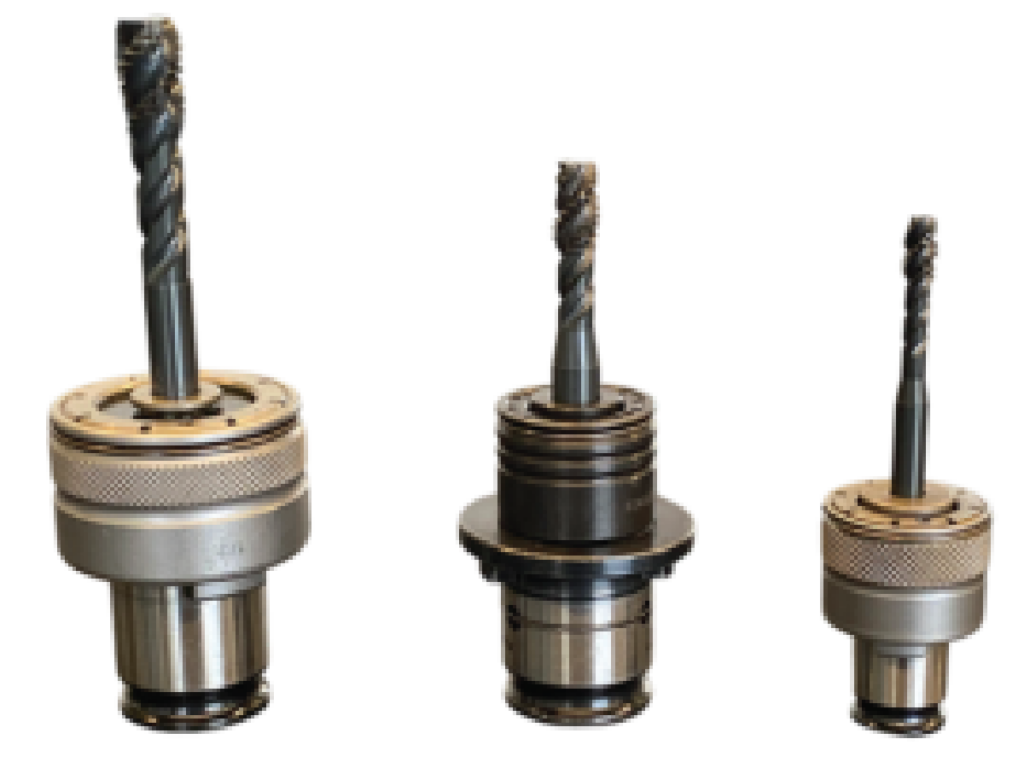
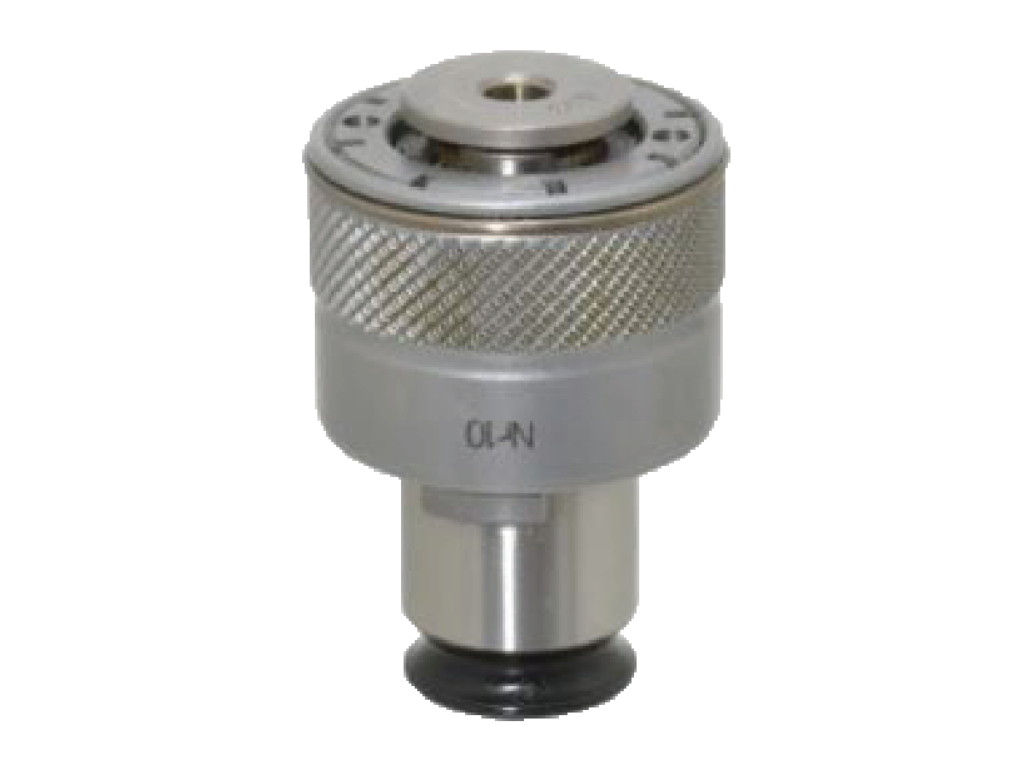
This application also featured an OSG HY-PRO SIGMA tap.
OSG’s HY-PRO SIGMA series is designed for a range of materials, including stainless steel. Its features include specialized cutting-edge and flute geometry intended to support chip formation, chip evacuation, and cutting performance.
Learn more about the OSG HY-PRO SIGMA tap.
Watch the FlexArm RE-16D Tap Test
See the FlexArm RE-16D in action as we test the application using the OSG SIGMA tap.
Frequently Asked Questions:
In this application, yes. The FlexArm RE-16D tapped 5/16-inch laser-cut holes in 1/2-inch stainless steel directly to 3/8″-16 UNC. Results depend on your material, hole size, thread requirements, and tooling.
The FlexArm RE-16D electric tapping arm.
An OSG HY-PRO SIGMA tap, which is designed for a range of materials, including stainless steel.
3/8″-16 UNC, in 1/2-inch stainless steel plate.
Approximately 4,400 tapped holes.
It removes one operation from a high-volume process, which simplifies the workflow and reduces the processing required for each part.
Have a Tapping Application to Test?
Every tapping application comes with its own material, hole size, thread requirements, and production goals. The right approach depends on those requirements and the tooling being used.
If your operation involves repetitive tapping, challenging materials, or a process you’d like to simplify, FlexArm can help you evaluate your application and find a suitable tapping solution.
Contact FlexArm to discuss your application